
Article: What Is Agarwood? The Story of Oud, From Rare Resin to Fine Perfume
What Is Agarwood? The Story of Oud, From Rare Resin to Fine Perfume
Few materials in perfumery carry as much mystery as agarwood. Perfumers call it oud, collectors call it liquid gold, and for centuries it has been one of the most precious raw materials on earth. Yet many people who love oud perfumes have never been told what it actually is, or why a single drop of the oil can cost more than its weight in gold.
Here is the story of agarwood: where it comes from, how it becomes a perfume material, and how to recognise a great oud fragrance.
What is agarwood?
Agarwood is not a type of tree. It is a dark, fragrant resin that forms inside certain trees of the Aquilaria genus, which grow in the forests of South and Southeast Asia, from India and Bangladesh to Cambodia, Laos, Vietnam and Indonesia.
A healthy Aquilaria tree has pale, light wood with almost no smell. Everything changes when the tree is wounded and a mould or fungus enters the wood. To defend itself, the tree slowly produces a dense, aromatic resin that saturates the heartwood and turns it dark brown or black. That resin-soaked wood is agarwood.
In the wild, only a small share of trees ever develop it, and the process can take decades. This is why agarwood has always been rare, and why the richest, oldest pieces are traded like precious stones.
From wood to oil: how oud is made
The fragrant wood is cut into chips, soaked, and then distilled, usually by hydrodistillation, over many days. The result is oud oil, known in Arabic as dehn al oud: a thick, amber to dark brown oil with an extraordinary depth.
The yield is tiny. Large quantities of wood produce only a small amount of oil, which explains its price. Every distillation also smells different depending on the origin of the wood, its age and the distiller's craft. Oud from Cambodia is often described as sweet and fruity, Indian oud as darker and more animalic, and oud from Borneo as softer and more balsamic.

What does oud smell like?
Pure oud oil is complex and can surprise on first contact. Depending on its origin, you may find:
- Woody and resinous facets, like old polished wood and warm balsam
- Smoky and leathery tones, sometimes almost animalic
- Sweet, honeyed or fruity nuances in the finest grades
- Earthy and medicinal notes that soften beautifully on skin over the hours
This is why oud is rarely worn on its own in modern perfumery. Its real magic appears when it is paired with materials that open it up: rose, saffron, spices, citrus or vanilla.
A protected treasure
Centuries of demand have made wild agarwood increasingly scarce. Today Aquilaria species are protected under CITES, the international convention that regulates trade in endangered plants and animals, and the trade in wild agarwood is closely controlled.
Most agarwood now comes from cultivated plantations, where growers deliberately inoculate the trees so they produce resin in a matter of years rather than decades. Alongside natural oud oil, perfumers also work with oud accords: compositions built from other materials to recreate the character of oud in a consistent and sustainable way. A great oud perfume is judged by how it smells and how it lives on skin, not by a single label.
How oud entered Western perfumery
For a very long time, oud belonged to the perfume traditions of Asia and the Middle East, burned as incense or worn as a pure oil. Western perfumery only began to embrace it at the start of the 2000s, when a handful of houses introduced oud to a new audience.
Within a few years, oud had become one of the defining notes of niche perfumery. Today it appears in collections from Paris to New York, and it is no longer seen as an exotic curiosity but as a pillar of modern luxury fragrance, in the same way as iris, rose or sandalwood.
How to choose an oud perfume
Because the word is everywhere, not every "oud" perfume offers the same experience. A few things to look at:
- Balance. The best oud perfumes do not shout. The oud should give depth and character without covering everything else.
- The company it keeps. Notice what surrounds the oud. Rose makes it romantic, saffron makes it radiant, leather makes it bolder, fruits make it more playful.
- Concentration. Oud unfolds slowly. An Extrait de Parfum, with its higher concentration, lets the material reveal its different facets over many hours.
- The dry-down. Judge an oud perfume after an hour on skin, not on the first spray. That is where its true quality shows.
Oud at Parfums Najmi
At Parfums Najmi, oud is never alone. Our signature is to pair the precious materials of the East with the great notes of classic perfumery, so that each meets the other halfway. Four of our six Extraits de Parfum are built around it, each in its own way:
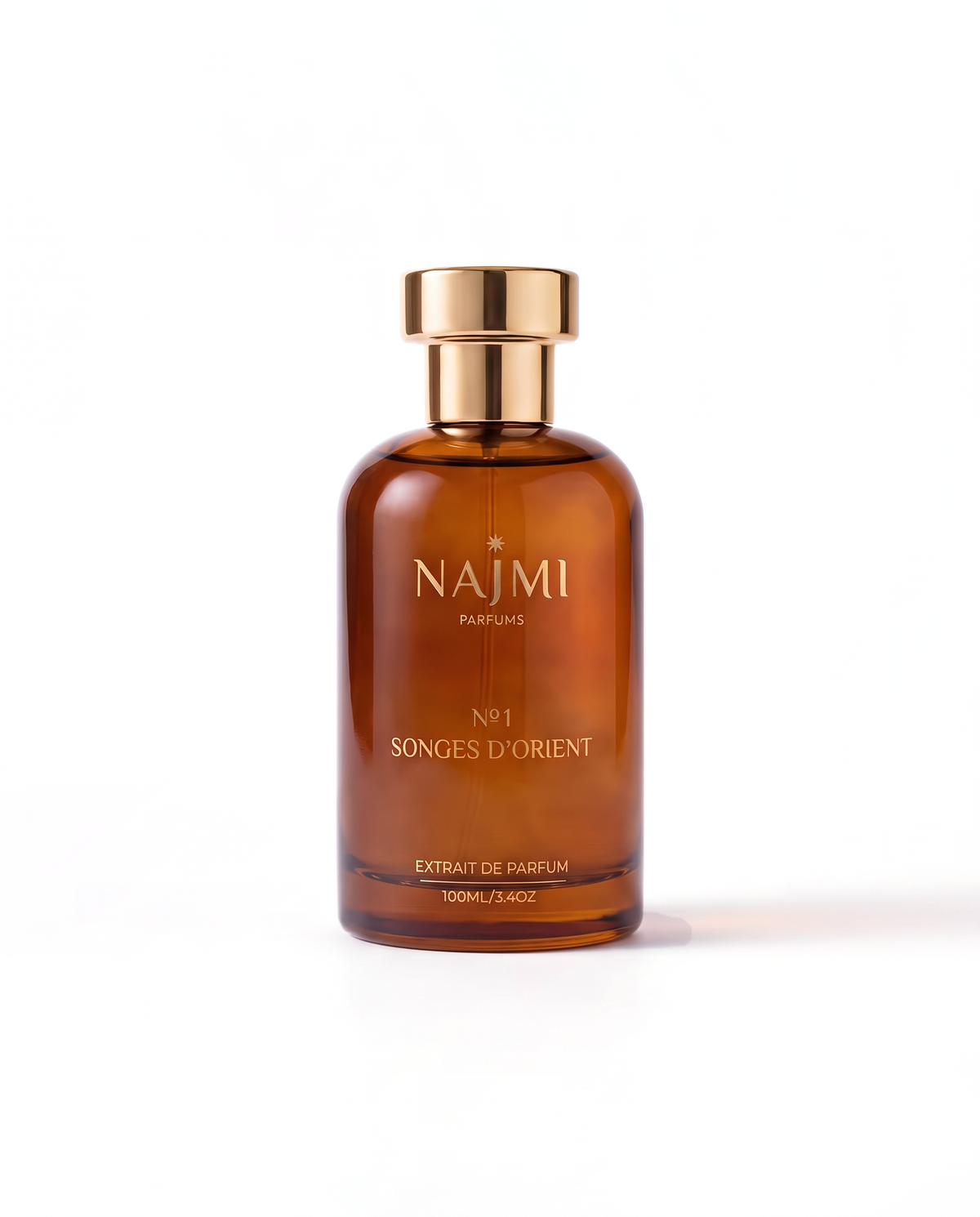
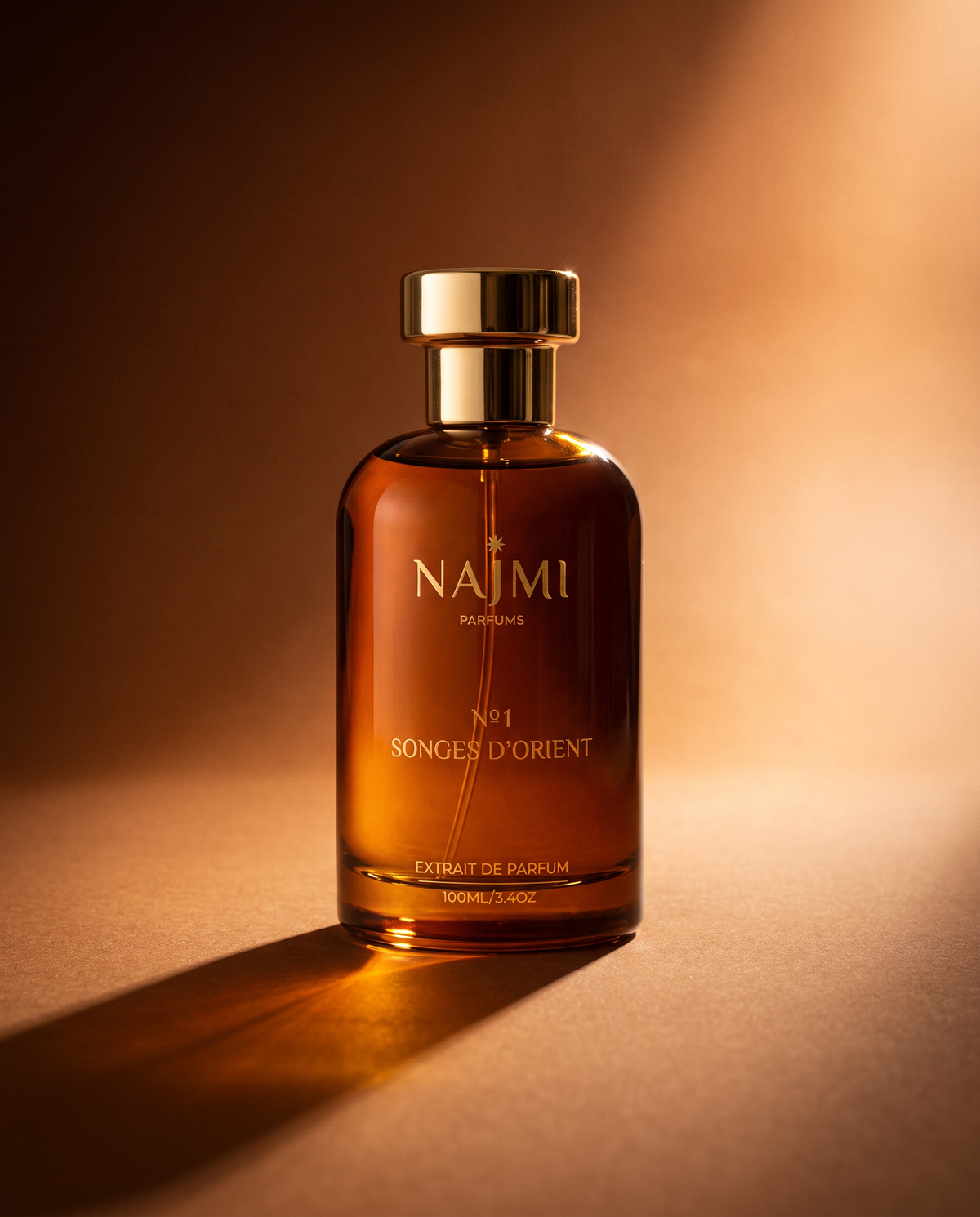
- N°1 Songes d'Orient, our first creation, sets agarwood and saffron against lavender, blackberry and raspberry for an oriental fruity signature.
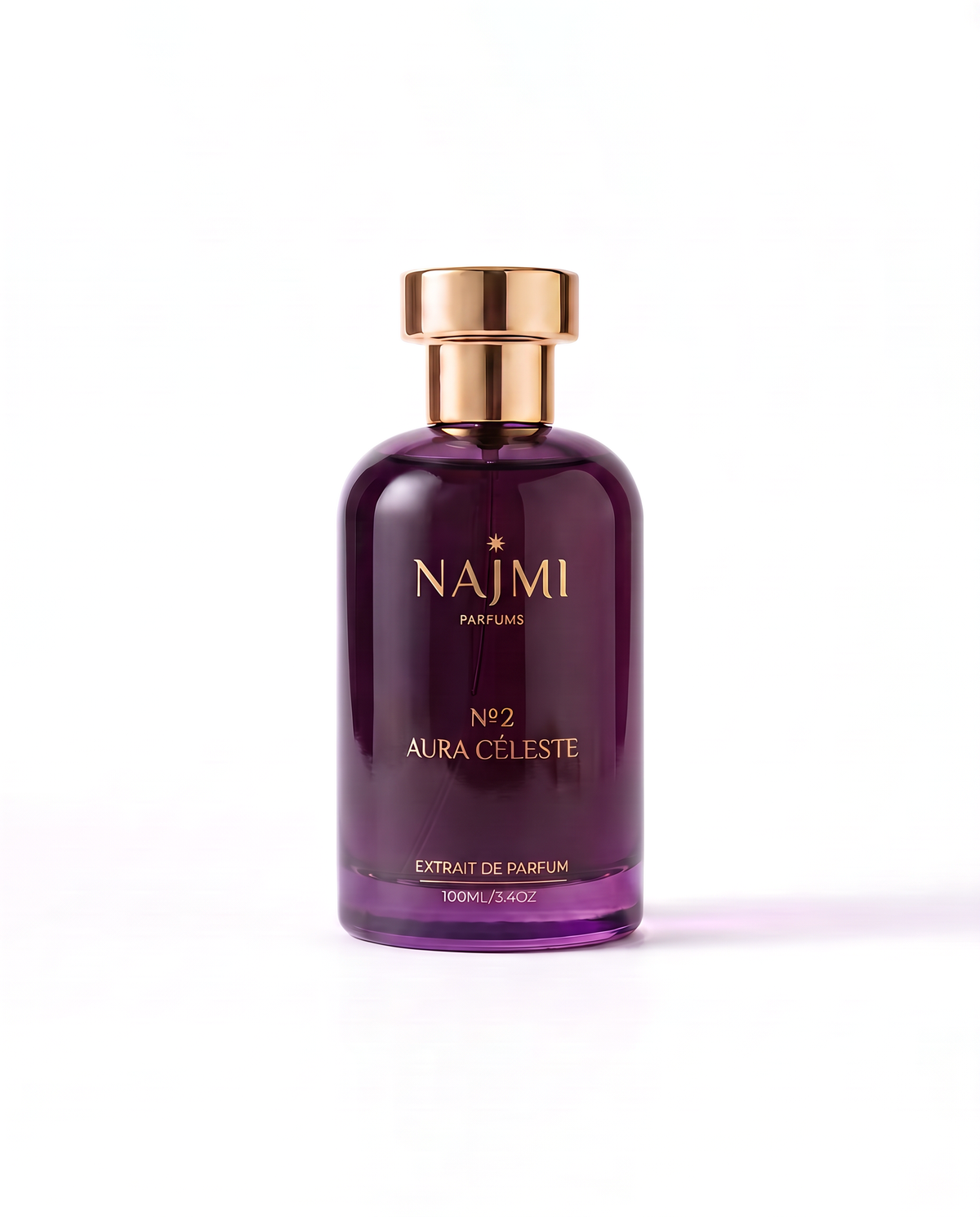
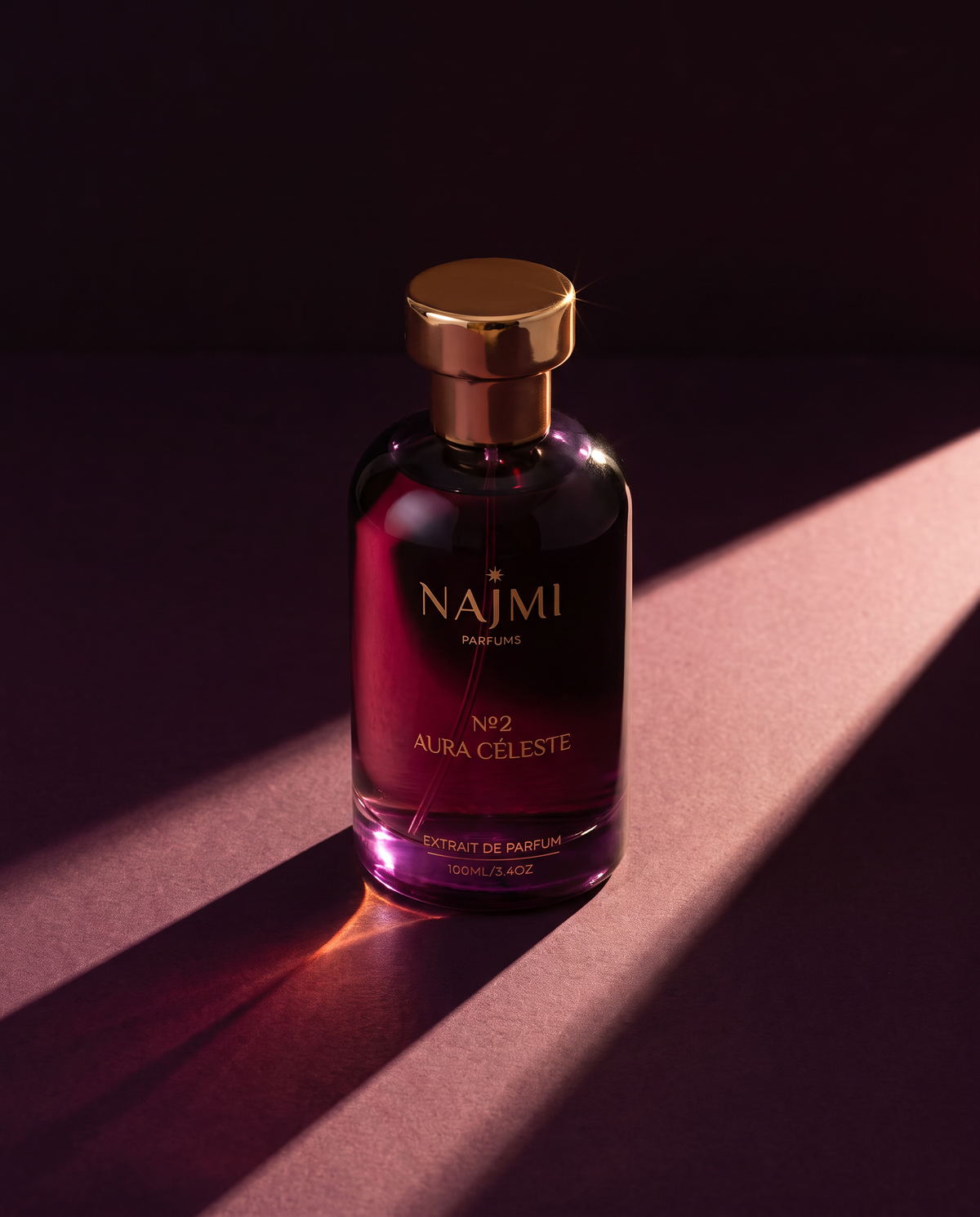
- N°2 Aura Céleste places oud oil at the base of a powdery rose and iris composition, where it adds depth rather than smoke.
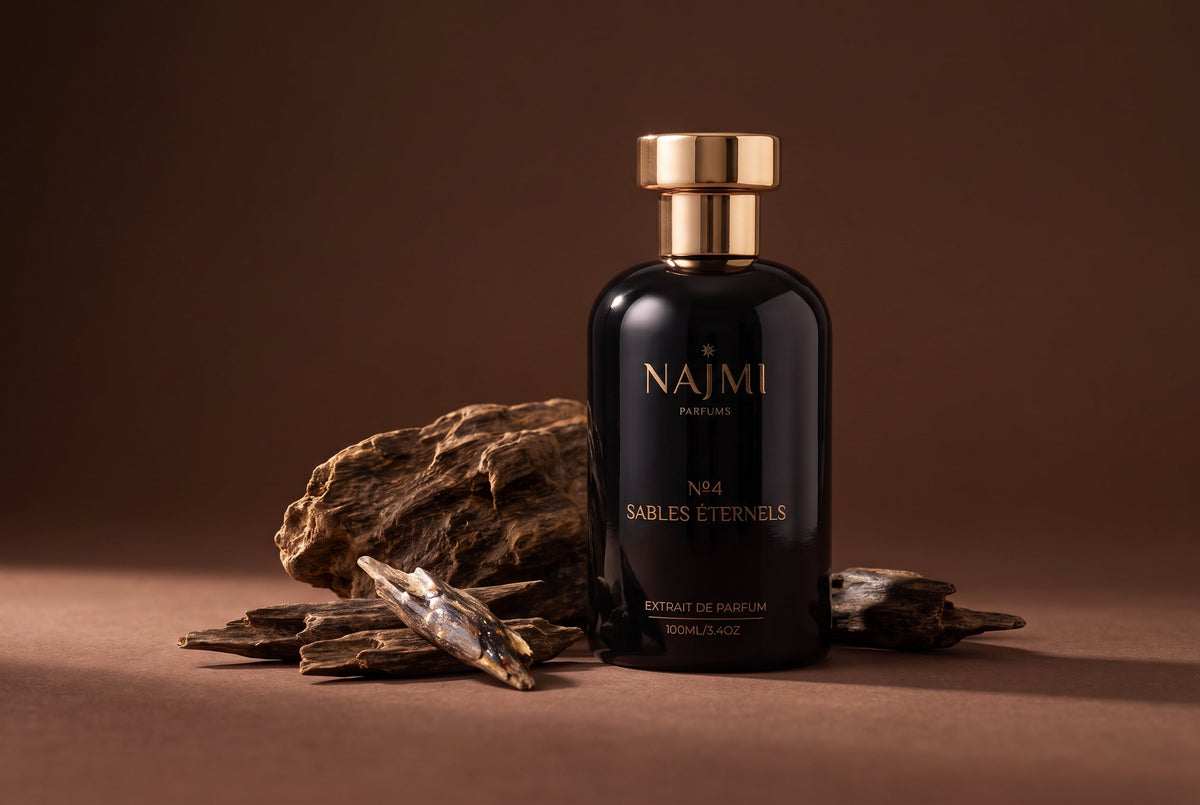
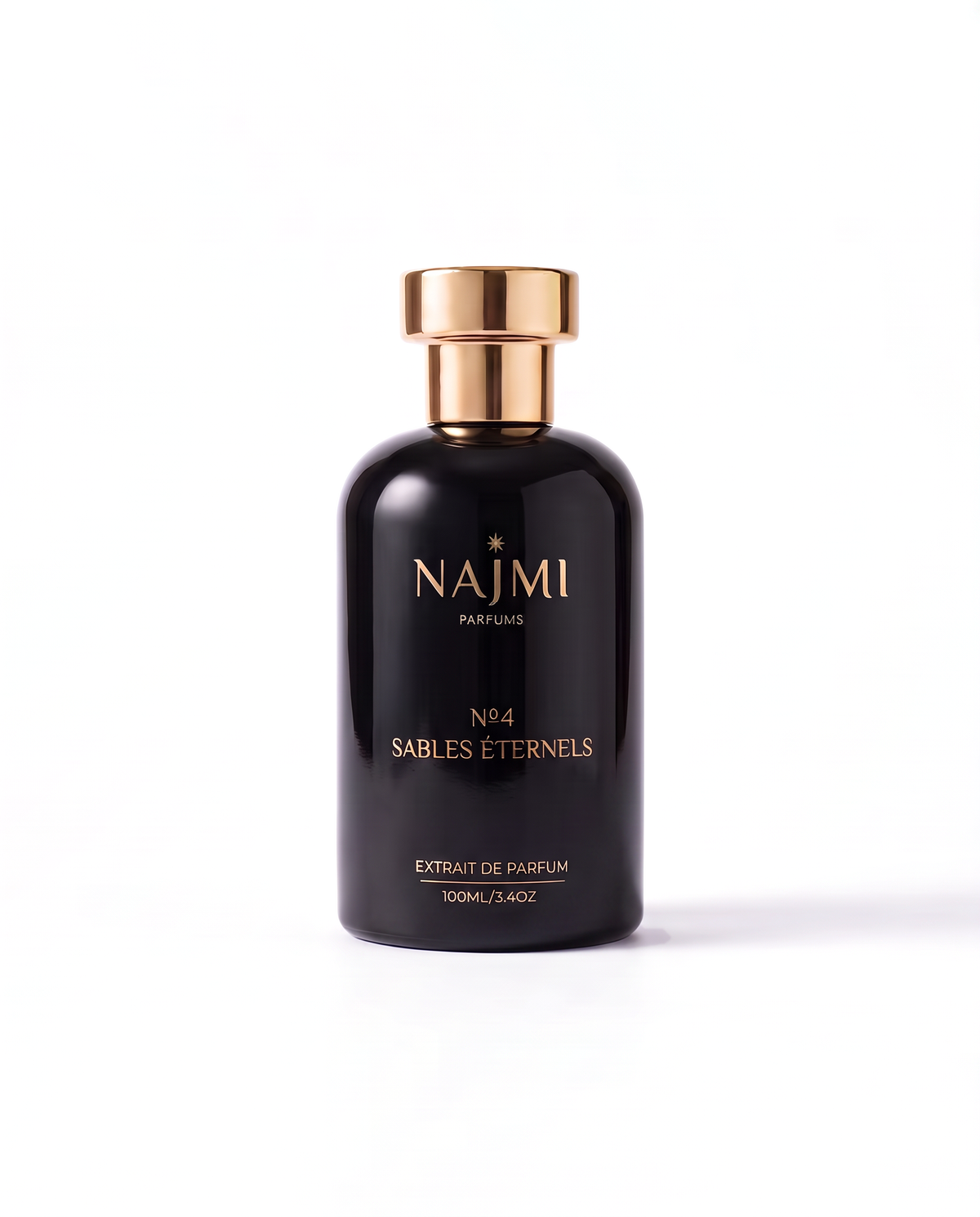
- N°4 Sables Éternels surrounds oud with guaiac wood, spices and a leather base for its most intense expression.
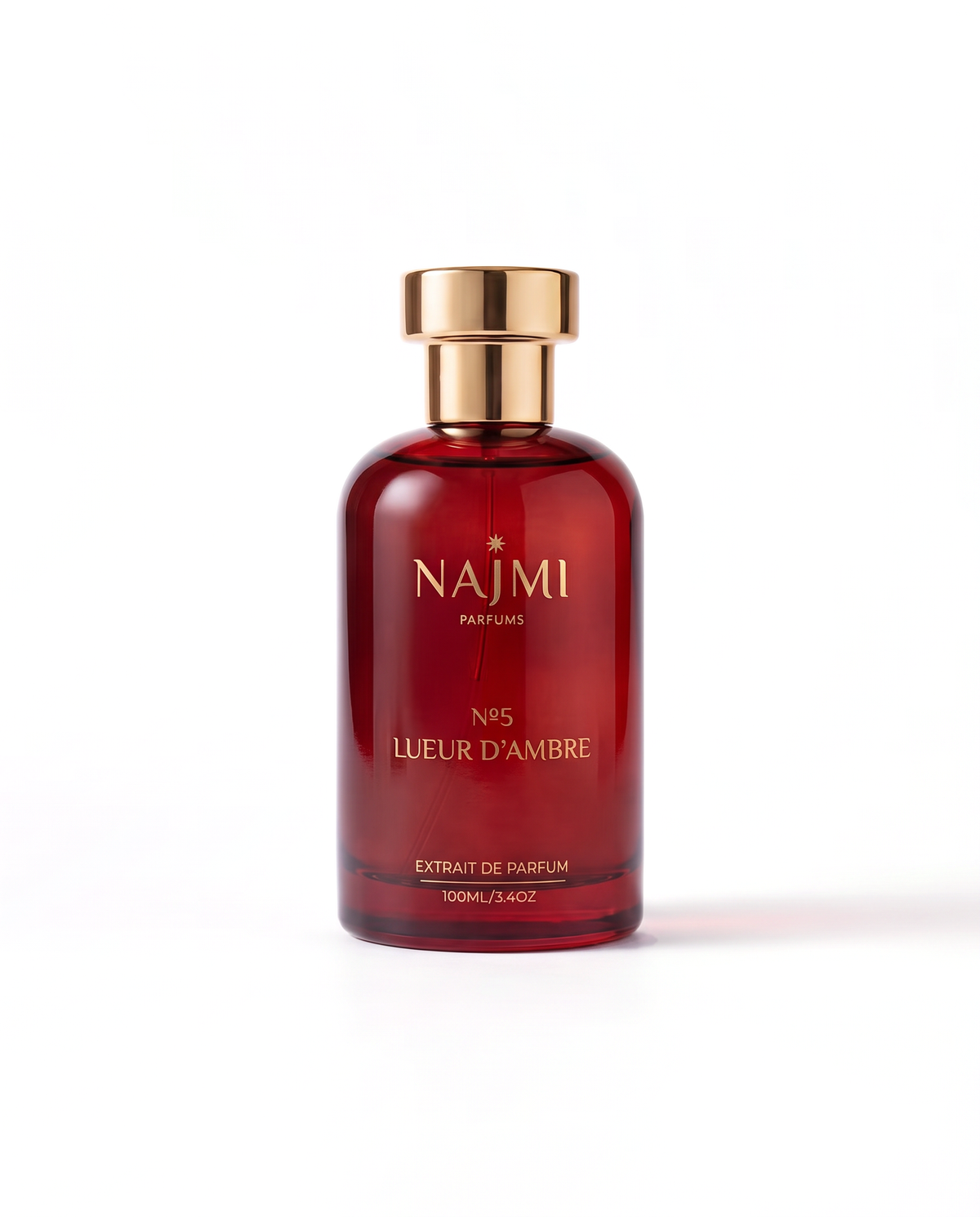
- N°5 Lueur d'Ambre wraps it in red fruits, Turkish rose and amber for a warmer, sweeter glow.
Each one is a different answer to the same question: how far can oud travel when it meets another culture?
Discover the full collection on our perfumes page, or read more about the role of woods in perfumery.
DISCOVER
The Fragrances
Read more
Are Niche Perfumes Better Than Designer? The Truth Behind the Scent
The world of fragrance is often divided into two realms: designer perfumes, the names we all know from fashion houses, and niche perfumes, created by smaller, independent brands focused primarily o...
Read more


